
The conversation around who deserves to turn pro has been getting louder as more skateboard companies continue to appear while others are shutting their doors.
Over the past year, brands like Thank You Skateboards, Glue Skateboards, Sandlot Times Skateboards, and several others have either closed or faced major changes, leaving many skaters wondering where the industry is headed.
READ MORE: Torey Pudwill & Daewon Song’s Thank You Skateboards Shuts Down
With so many board companies competing for attention, there are also far more pro riders than there used to be.

That has made everyone debate who feel some new pros have very little name recognition before receiving their first signature board.
Many believe becoming a pro should come after years of building a reputation and earning support from the skateboarding community instead of simply being part of a growing brand.
Even The Nine Club’s Roger Bagley has also shared a similar concern in the past.
READ MORE: Roger Bagley, “I Think The Industry’s Completely F*cked Right Now”
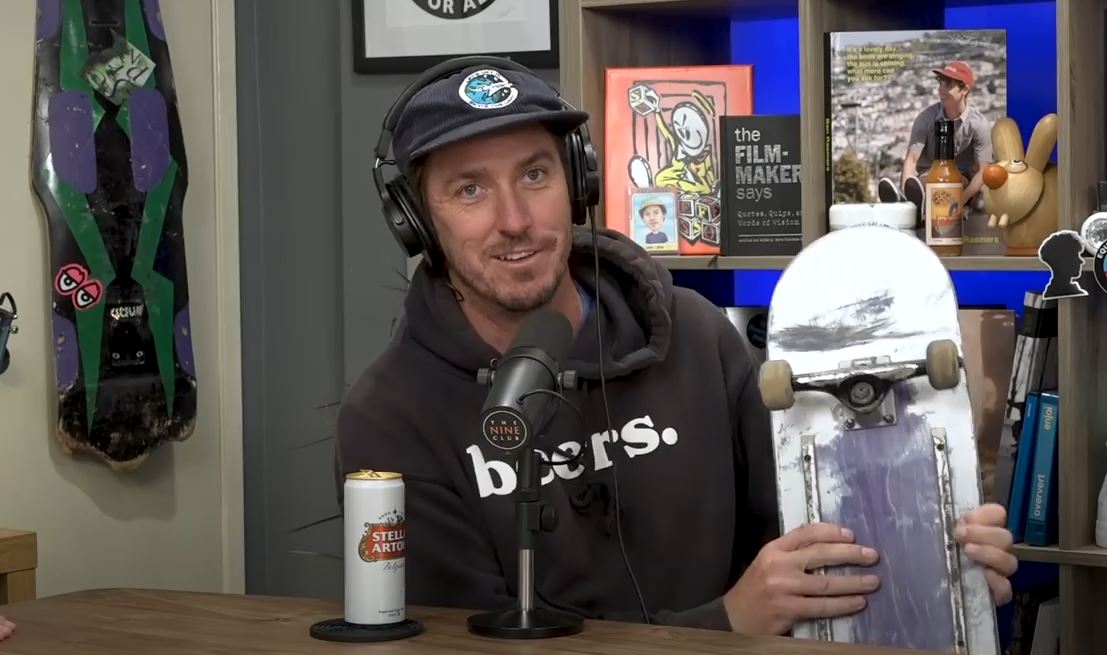
He argued that modern wood shops make it easier than ever for anyone to start a skateboard company, leading to more brands entering the market and, as a result, more professional riders being added across the industry.
Now skateboarding journalist Robert Brink has joined the discussion with his own thoughts on the current state of pro skateboarding.
Brink posted:
“So skate brands ever consider putting less riders on so they can pay their team better while also not flooding the industry with pros we never heard of?
Or is that just like, not even a thing?
Why complicate things with MORE MORE MORE?
There may be a few reasons for turning someone pro but I think the majority of the skateboarding community should at least know a person’s name before they get a pro model.”

Some agree that a pro model should mean something special and should only come after a skater has built a strong reputation through video parts, contests, or years of consistent skating.
Others believe smaller companies have every right to turn their riders pro if they have earned that respect within the team, even if they are not widely known.
RELATED: Manny Santiago Says Too Many Skate Brands Are Flooding The Market, Leaving Big Brands Struggling
Brink also questioned whether brands would be better off keeping smaller teams and paying their riders more instead of continuing to add new names.
His comments suggest that having fewer professionals could make it easier for companies to support their existing riders while making the achievement of turning pro feel more meaningful.
Unfortunately, more skateboard brands continue to enter the market while others disappear, the discussion over what it means to be a professional skateboarder is unlikely to be just a meh.