
There was a time when skate brands actually felt dangerous. Not dangerous in some fake marketing way where a company hires an actor with tattoos and calls it rebellion. Real dangerous.

Parents hated it. Schools banned the shirts. Security guards kicked kids out for wearing the wrong logo. Skateboarding came from people building their own world because nobody else wanted them around.
That is what made skater owned brands different.
The people running those companies actually skated. They knew what it felt like to spend all day trying one trick until your shins were wrecked. They knew what it was like getting kicked out of spots, sleeping on floors during trips, filming clips with broken cameras, and scraping together gas money just to make it to another city. The companies reflected that life because the people behind them lived it.
Now most of those brands feel like hollow corporations wearing a skate costume.
You still see names like Quiksilver, Billabong, Volcom, RVCA, Supreme, Vans, and DC Shoes everywhere. The logos survived. The culture behind them did not. What used to feel connected to actual skaters slowly became corporate property traded between investors, licensing groups, and giant retail companies that care more about quarterly growth than skateboarding itself.
That change did not happen overnight. It happened piece by piece.
First came the buyouts. Then the investors. Then the layoffs. Then the corporate restructuring. Then the brand managers who probably could not name five video parts if their lives depended on it. Little by little, the people who built the companies got replaced by executives trying to squeeze more profit out of the names.
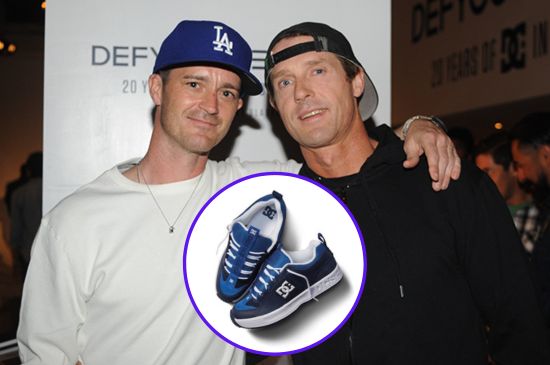
RELATED: Danny Way & Colin McKay Off DC Shoes After Authentic Brands Group-Boardriders Acquisition
That is the problem with corporations getting involved in skateboarding. They do not care about skateboarding unless it sells.
A skater owned brand will spend money on weird graphics, random road trips, underground videos, small teams, local premieres, and shops that barely survive month to month because those things matter to the scene. Corporate companies look at those same things and see unnecessary expenses.
To them, a skate video is content.
To skaters, it is months of pain, travel, slams, creativity, and friendships.
Corporate ownership kills that connection because everything becomes about scaling up. The company gets too big to care about the people who built it in the first place. Suddenly the goal is not making something kids care about. The goal is maximizing sales across global markets.
That is how skateboarding gets flattened into generic fashion.
You can already see it everywhere. Brands that once stood for something now sell watered down collections made for people who have never stepped on a board. The graphics feel safer. The ads feel focus grouped. The clothes look designed for shopping malls instead of skate spots.
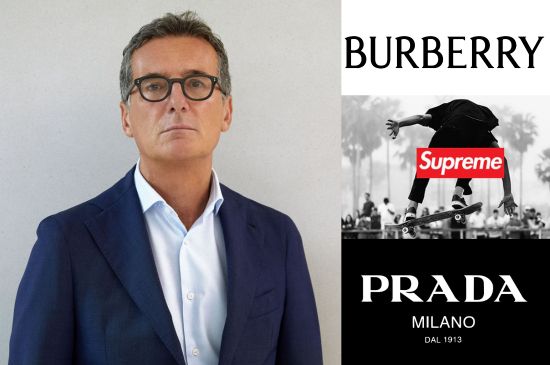
RELATED: EssilorLuxottica, Leader in Burberry & Prada Eyewear, to Acquire Supreme For $1.5 Billion
Even worse, the corporations keep pretending nothing changed.
The Instagram pages still talk about authenticity. The websites still use words like community and creativity. They still sponsor a few skaters because they need the image to stay alive. But behind the scenes, the companies are run exactly like every other corporate brand on earth.
Skateboarding becomes less about skaters and more about intellectual property.
That is why so many old brands feel lifeless now. The logo stayed alive while the soul got stripped out.
A real skate company is supposed to feel personal. It should reflect the people behind it. The best skate brands always felt like inside jokes shared between skaters. They were messy, funny, offensive, creative, chaotic, and sometimes completely stupid. That was the point. They were built by people doing their own thing without asking permission.
Corporate ownership cannot handle that for long.
The second investors get involved, everything becomes safer and easier to market. Companies stop taking risks because risk scares shareholders. They stop supporting strange personalities because corporations like predictability. The rebellious side of skateboarding slowly gets polished away until the brand becomes another product sitting on a shelf next to hundreds of others.
RELATED: Dwindle Distribution’s $20M Inventory Sell-Off Lands at Ollie’s “Good Stuff Cheap” Stores

And the ugly part is that many skaters still support these corporations without realizing where the money goes.
Buying from giant corporate owned brands does not strengthen skateboarding culture. Most of the money leaves the scene completely. It goes to investors, licensing groups, executives, and massive parent companies that treat skateboarding like another category in a portfolio.
Meanwhile, independent skate shops disappear.
Small brands struggle to survive.
Filmmakers scrape together pennies.
Actual skaters who built the culture get ignored while corporations profit from the image they created.
That is why supporting skater owned companies matters. Even if the products are smaller. Even if the videos are rough around the edges. Even if the distribution is not perfect. At least the money stays closer to the people who actually care about skateboarding.
Skater owned brands understand things corporations never will.
RELATED: VF Corporation, Parent Company of Vans, Sells Dickies to Bluestar Alliance for $600 Million

They understand why a terrible spot can become legendary.
They understand why kids sit on curbs watching clips for hours.
They understand why skate videos matter more than expensive ad campaigns.
They understand that skateboarding was never supposed to feel polished and corporate.
At its heart, skateboarding came from outsiders building something for themselves. That spirit is still alive in local scenes, independent brands, tiny videos, DIY spots, and skaters filming with friends after work or school. The problem is that giant corporations figured out they could profit from that image without respecting the culture behind it.
So now the scene sits in a weird place where the branding still looks alive, but a lot of the companies behind it feel completely disconnected from the people they market to.
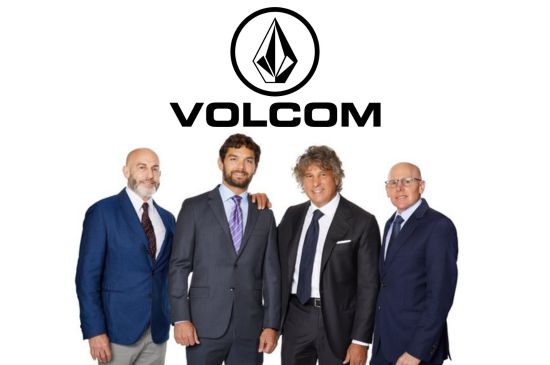
RELATED: Volcom Finds a New Home w/ Corporate Juggernaut The Levy Group
That is why more skaters are turning back toward independent brands, local shops, zines, and smaller crews again. People are getting tired of corporations pretending to represent rebellion while operating like every other soulless company on earth.
Skateboarding was never built in boardrooms.
It was built in parking lots, empty pools, busted streets, cheap apartments, sketchy road trips, and local shops held together by people who actually gave a damn.
Once corporations take over, that connection starts dying. And when skateboarding loses that connection, all that is left is another logo printed on another hoodie hanging in another mall.