
The skateboarding world could soon feel the strain after former US President Donald Trump said he plans to increase new global tariffs to 15% on most imported goods entering the United States.
The announcement follows a Supreme Court ruling that blocked his earlier import taxes. Trump responded by saying he would use a different trade law to bring in a new round of tariffs, first floating 10% and then raising it to 15%, which is the highest level allowed under that specific provision. The measure can stay in place for several months before Congress needs to step in.
For the skateboarding industry, this is not just a political headline. It could directly affect the price of decks, trucks, wheels, bearings, griptape, hardware, and even skate shoes.
Why Skateboarding Could Be Hit Hard
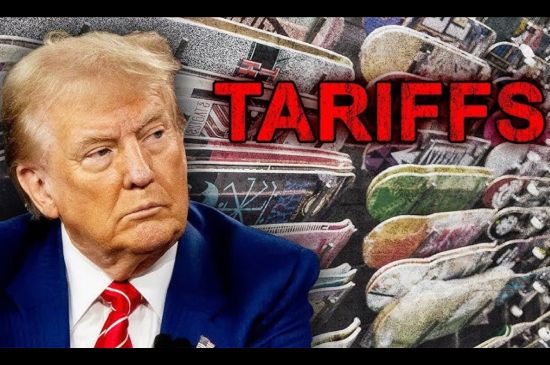
A large portion of skateboard products sold in the US rely on international supply chains. Maple used for decks often comes from Canada, Mexico and China. Many trucks, bearings, and hardware components are manufactured in other parts of Asia. Wheels and other accessories are frequently produced overseas as well.
If a 15% tariff is applied to most imported goods, distributors bringing these products into the US would have to pay more at the port. That extra cost rarely stays with the importer. It usually moves down the chain.
Skate distributions that import containers of decks and hardgoods would face higher upfront expenses. Woodshops that press decks using imported veneers, glue, or machinery parts could see their operating costs climb. Manufacturers that assemble completes using overseas parts would also feel the pressure.
Eventually, the increases reach skateshops.
Skateshops on the Front Line
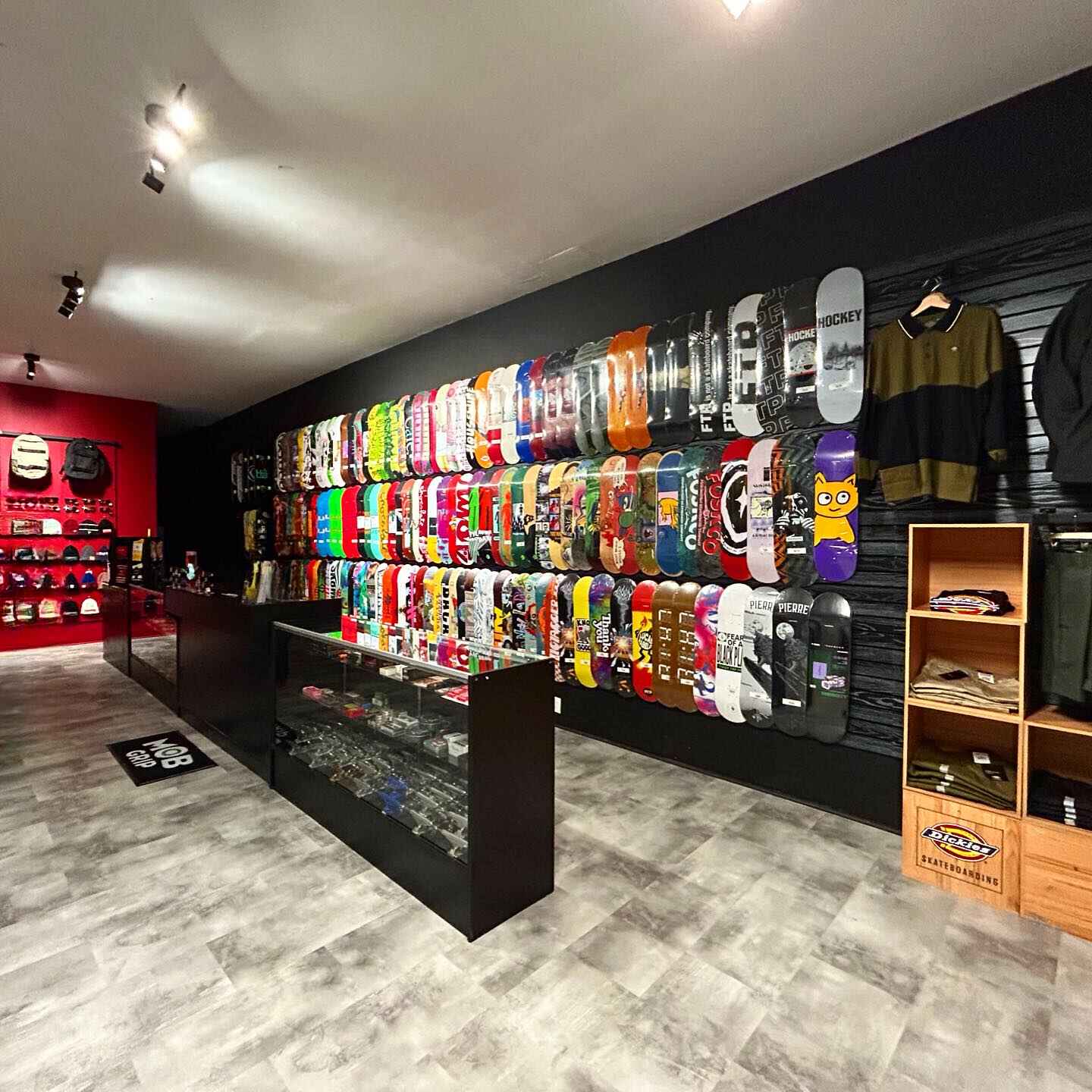
Independent skateshops already operate on tight margins. Rent, staff wages, and inventory costs leave little room for sudden jumps in wholesale pricing. If distributors raise their prices to cover the tariff, shops will have to decide whether to absorb part of the increase or pass it fully on to customers.
For many local shops, absorbing a 15% rise is not realistic. That likely means higher retail prices on decks, trucks, and wheels. A complete skateboard that once felt affordable for a beginner could edge into a range that makes parents hesitate.
Online retailers may also adjust prices, which means the increase would not be limited to brick and mortar stores. The entire US market could see gradual price shifts.
Woodshops and Domestic Manufacturing

Some argue that tariffs encourage more domestic manufacturing. In theory, higher import costs could make US made decks and components more competitive. But it is not that simple.
Even American woodshops depend on imported raw materials and equipment. Canadian maple is widely considered the standard for skateboard decks. If those veneers are taxed, pressing decks domestically does not fully shield companies from the increase.
Smaller manufacturers that produce trucks or specialty parts in the US still rely on imported metals, bearings, or packaging. Tariffs on those inputs can raise production costs across the board.
Skateboarders Feel It in Their Wallets

For skateboarders, the impact shows up at the register.
Decks may cost more. Trucks and wheels may jump in price. Bearings, griptape, and small hardware items could also inch upward. Frequent skaters who replace decks every few months would notice the change quickly.
Younger skaters and those without steady income could feel priced out of replacing gear as often as they need. That can slow down participation at the grassroots level, especially in communities where skateboarding offers an accessible outlet.
Brands might try to delay price increases to stay competitive, but if tariffs remain in place for several months or longer, holding prices steady becomes difficult.
Tariff Confusion Leaves Industry Guessing
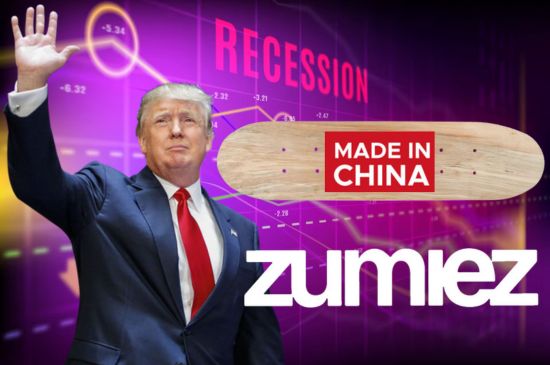
One of the biggest challenges for the industry is not just the tariff itself, but the uncertainty around how long it will last and which products will be exempt. While some sectors such as critical minerals and pharmaceuticals may be excluded, most consumer goods appear to fall under the broader levy.
Distributors planning inventory months in advance now face unclear cost projections. Skateshops placing seasonal orders do not know if the wholesale price they see today will change before the shipment lands.
For an industry built on tight release cycles, pro model drops, and seasonal graphics, unpredictability makes planning far more complicated.