

A youth skateboarding session is set to take place in Malibu, bringing together young riders for an afternoon focused on learning, practice, and time on the ramps with one of the most influential figures in modern skate culture.
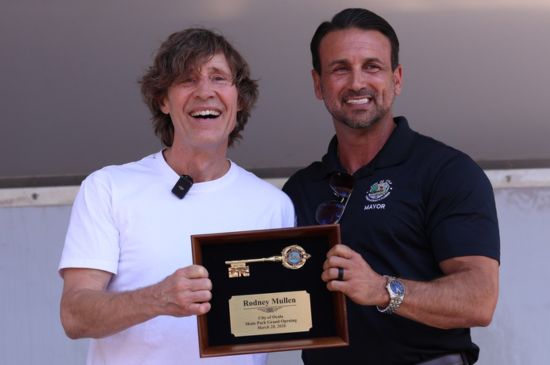
The City of Malibu announced that skate legend Rodney Mullen will be hosting the session at Malibu Skate Park on May 6.
The gathering will start at 4 p.m. at Malibu Bluffs Park, where participants will be welcomed to take part in guided skating activities and observe demonstrations throughout the day.
Organizers are asking everyone who joins the skating portion to come prepared with full safety gear.
Helmets, elbow pads, knee pads, and wrist guards are required for all attendees on the ramps.
The event is open to anyone who wants to watch or participate, giving younger skaters a chance to learn in a supportive environment.
The city shared that attendees will hear insights from someone who helped shape modern street skating through decades of creativity and experimentation.
Mullen is widely known for developing new approaches to skateboarding during the 1980s and early 1990s, and many of his techniques continue to influence how people ride today.
His video parts from that era are still widely viewed and studied by skaters of different generations.
Later in the evening, Mullen will take part in the Malibu Library Speaker Series at Malibu City Hall at 7 p.m. That session will focus more on his experiences beyond skating, and anyone interested in attending will need to reserve a seat in advance.
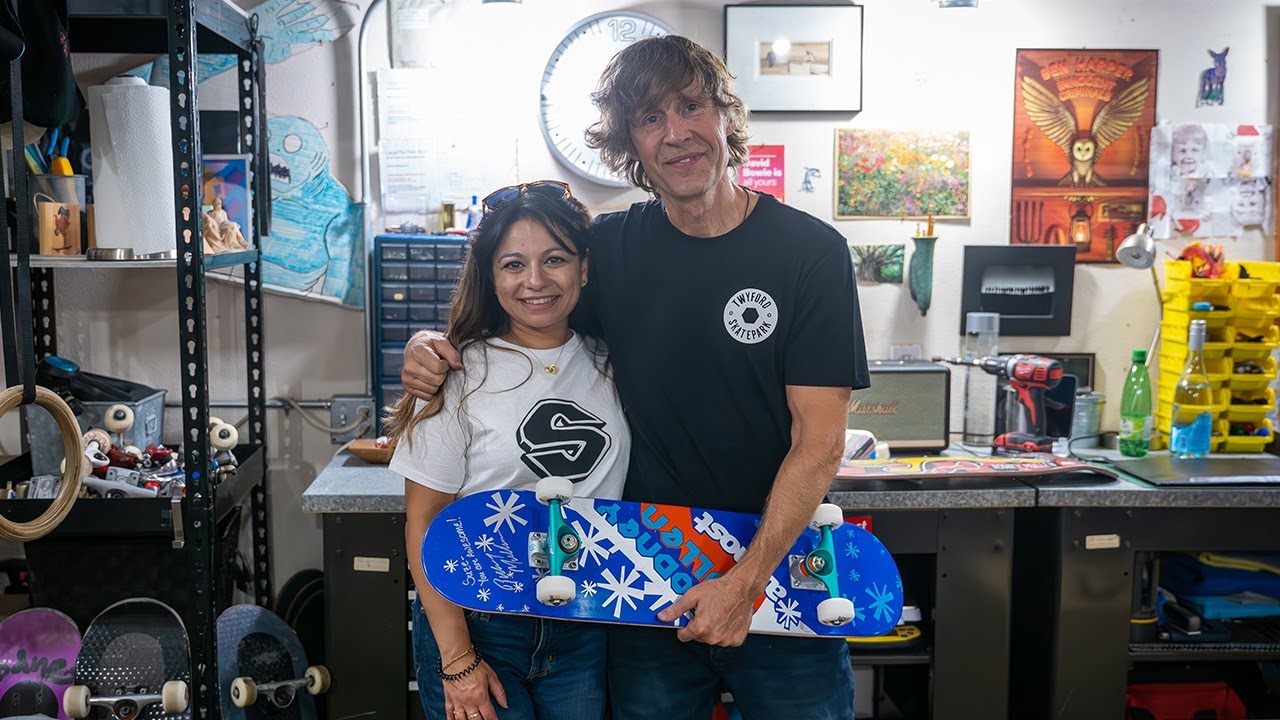
Malibu Mayor Bruce Silverstein shared that Mullen’s background reflects strong creativity and steady dedication to learning and growth.
He also noted that the timing of the visit connects with the recent completion of the city’s new permanent skate park, which has become a focal point for local youth activities.
Outside of skating, Mullen has worked in academic and research settings, including roles connected to MIT’s Media Lab.
He has also contributed to projects focused on creativity, resilience, and human performance, and has worked with organizations such as the Smithsonian Institution and the National Academy of Sciences.