
Nike is seeing a shift in demand for its basketball sneakers as skate shoes continue gaining ground among younger buyers.
Reports circulating online suggest that basketball shoes are not moving at the same pace they once did, with some pointing to reduced interest in NBA player influence compared to earlier years.
Nike is reportedly struggling to sell basketball shoes because NBA players "aren’t as popular as they used to be," per @WindhorstESPN
— NBA Base (@TheNBABase) April 18, 2026
Financial experts claim the lack of player popularity is now directly hitting Nike’s revenue and stock price.
(Via @hoopstonite ) pic.twitter.com/04m3vtxB5A
At the same time, skateboarding footwear is becoming a stronger part of everyday streetwear, especially with more brands entering that space.
Skate shoes were once a niche category tied closely to skateboarding communities, but that has changed over time.
Nike SB helped open the door by blending performance skate design with lifestyle appeal, and that same formula has now attracted bigger footwear companies.
READ MORE: Jordan Brand Unveils Skateboarding-Inspired ‘Jordan Session’ Footwear
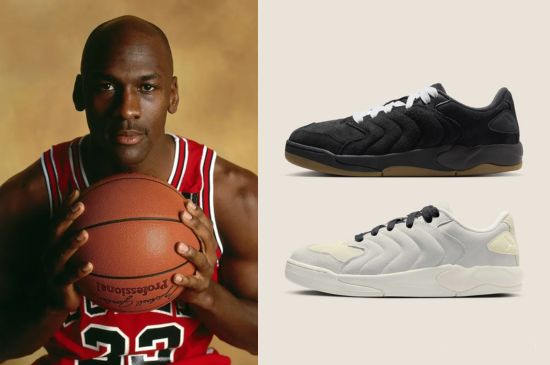
Adidas, New Balance, and even Nike itself have expanded skate inspired or skate specific lines, turning what used to be a smaller segment into a competitive market inside sneaker culture.
A report from Business of Fashion noted that skate sneakers are regaining attention in streetwear and fashion circles, with both heritage and mainstream brands revisiting skate silhouettes as demand for casual and durable shoes increases.
That shift is visible in stores and resale markets, where skate models and skate inspired designs are showing stronger movement compared to some traditional basketball releases.
Brian Windhorst, NBA reporter and sportswriter, gives his take on the UBS analysis of Nike’s stock collapse 📉🤔😱
— KicksFinder (@KicksFinder) April 19, 2026
"Nike shoe sales are tanking because NBA players aren’t as popular as they used to be."
📹 @hoopstonite; @WindhorstESPN pic.twitter.com/3JkKg9VJ4U
At the same time, broader sneaker coverage has pointed out that basketball shoes have been losing some cultural dominance compared to earlier decades, as consumer interest spreads across different categories instead of focusing heavily on NBA signature lines.
This does not mean basketball sneakers are irrelevant, but the attention is no longer concentrated the way it used to be.
House of Heat°House of Heat° Posted:
"Nike SB and Supreme are linking up once again, this time reworking the Nike Air Max 2 CB ’94 into a low-top silhouette across three exclusive colorways 🛹
Dropping March 5, the duo transforms Charles Barkley’s classic into a refreshed low-cut edition, arriving in Gold, White, and Black. The collection is expected to release exclusively through Supreme."
On social media, discussion picked up after posts from accounts like The NBA Base and commentary from WindhorstE suggested that Nike basketball sales are being affected by lower star driven demand.
Some fans online connected this to the idea that fewer NBA players currently carry the same cultural pull as earlier eras, while others blamed product fatigue and the sheer volume of releases across brands.
Inside the sneaker market, Nike still holds a leading position. In 2025, Nike, Jordan Brand, Adidas, New Balance, and Asics remained among the top sellers, with Nike keeping the largest share at around 18 percent.
Even with recent dips in certain segments, the company still has strong control over the overall sneaker landscape, especially in performance categories.
The skate category, however, has become more crowded.
Nike SB is still a key name, but Adidas Skateboarding and New Balance Numeric have built solid followings, and newer collaborations have brought skate style into wider fashion spaces.
This has created a situation where skate shoes are no longer limited to skateboarding culture, but are now part of general streetwear rotation.
Overall, the shift is less about one category disappearing and more about attention spreading out.
Skate shoes are benefiting from casual fashion trends and wider brand participation, while basketball sneakers are adjusting to a market where hype is no longer concentrated around a small group of NBA names.