
As we previously reported, YouTube skater Zach Dowdy recently shared his thoughts on the relationship between skateboarding and politics.
This follows a discussion with fellow influencer Ricky Glaser, who argued that skateboarding is not political.
It all started after REAL Skateboards encouraged skateboarders to vote in the 2026 midterm elections.'
READ MORE: REAL Skateboards Encourages the Skate Community to Make Their Voices Heard This Election

The message prompted Glaser to explain his position, leading to a respectful exchange between the two creators about how politics relates to skate culture.
Following their discussion, Dowdy decided to give his audience more context about his perspective.
READ MORE: Ricky Glaser, “Skateboarding is Not Political no Matter How Hard They Try to Force it to Be”

He pointed out that the connection between skateboarding and politics goes much deeper than election campaigns or public statements from skateboard brands.
In a recent social media post, Dowdy shared five examples of how political decisions can affect skateboarders and the communities they belong to.
He wrote:
"5 quick examples of how skateboarding is political for potential gold fish brain:
Access to skateboards
Skateparks (Civics engagement etc)
Public Spaces (Street Skating)
Skate Shops (rent etc)
Product Prices (Tariff etc)
The list goes on, anyhow.. Hope you have a beautiful day."
His examples touch on several everyday issues within skateboarding.
RELATED: Pro Skater Brian Wenning Publicly Shares His Democratic Affiliation, Says He’s Cast His Vote

Access to skateboards can depend on affordability and the availability of equipment, particularly for younger people who want to get into skating.
Skateparks are another example, as their construction, maintenance, funding, and accessibility often involve local government decisions and community participation.
The availability of public spaces also affects skateboarders, especially those who prefer street skating.
Rules surrounding where people can skate can influence how they use parks, plazas, sidewalks, and other shared areas.
Local skate shops also face economic challenges, including commercial rent, operating costs, and regulations that affect small businesses.
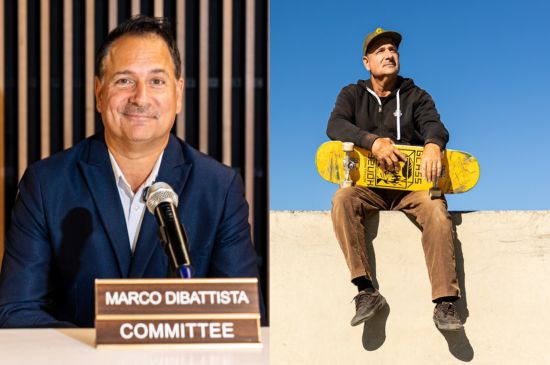
RELATED: Politics Meets Skateboarding, Josh Katz Shares Stills From Dem Mayor Skater Marco DiBattista
Product prices are another concern, as import tariffs and other trade policies can influence the cost of skateboards, shoes, trucks, wheels, and other equipment.
These examples show how government policies and economic decisions can reach different parts of skate culture, even when they have little to do with elections directly.
Dowdy's explanation gives his audience more context about why he considers skateboarding political.
His point is that decisions made by governments, businesses, and communities can affect the everyday experiences of skateboarders, from buying their first deck to finding somewhere to skate.
