
For years, Gary Rogers was a weekly presence in skateboarding thanks to Skateline, the fast paced comedy news segment that was originally created for RIDE Channel via Metro Skateboarding.
The show mixed jokes, commentary, and clips from across the skate world and became a regular watch for a loyal audience, which eventually led to Thrasher Magazine acquiring the show.
It has now been close to two years since the last episode aired, which left many people wondering if the show had quietly ended.
Rogers recently talked about the situation during a conversation with Jenkem Magazine, where he reflected on the long run of the series and what he has been doing since the break.
READ MORE: Gary Rogers Announces New “Skateline” in August, Mocks Gifted Hater as a Nerd w/ Gay Jokes
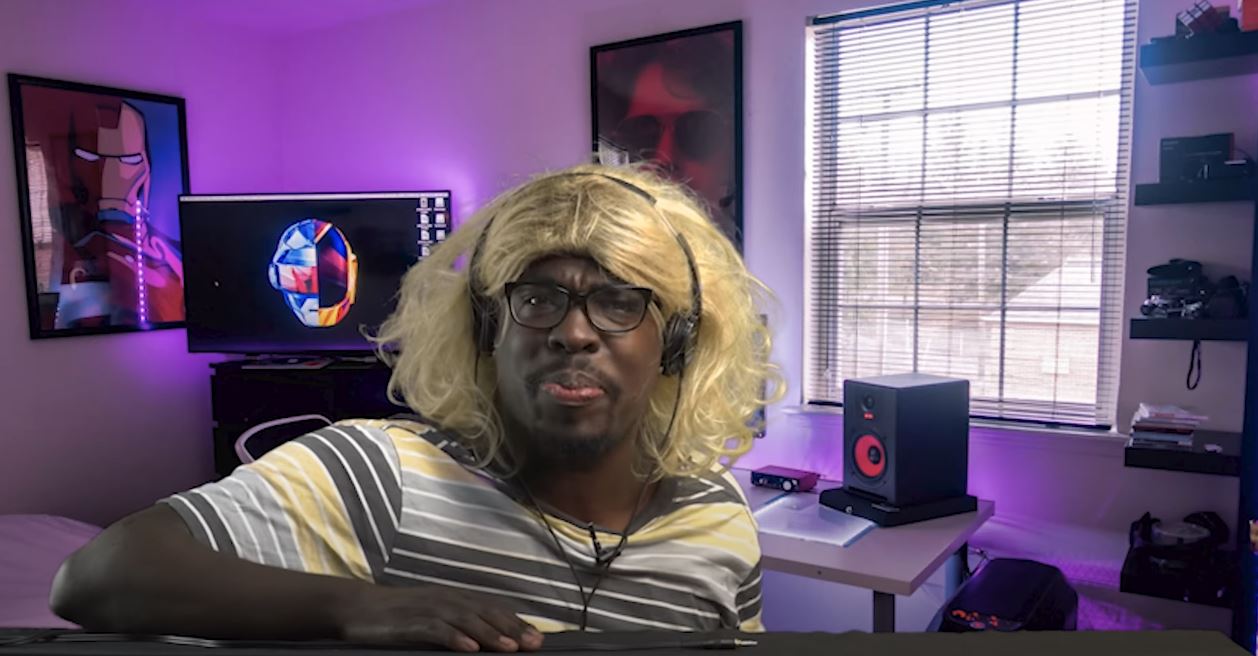
According to Rogers, the show was always meant to be something fun for skateboarders rather than serious reporting.
He said he never wanted to investigate people or expose personal situations. Most of the jokes were about things everyone in skating was already talking about anyway. The goal was simply to make people laugh and keep them updated with what was happening.
Even when someone was upset about a joke, Rogers said he usually tried to deal with it directly. Over the years there were disagreements with different skaters and companies, but many of those situations were eventually settled in person. One example he mentioned was a past issue with Stefan Janoski that was later worked out after the two talked face to face.
Outside of the show, Rogers has still been writing jokes about skateboarding. Recently he started experimenting with a new comedic character called G Code, which he describes as a parody rap persona. Instead of delivering jokes through a news desk format, he now turns them into short songs.
RELATED: Gary Rogers Says F*ck Nike, Not Afraid of Getting Fired From Thrasher & His Skateline Show
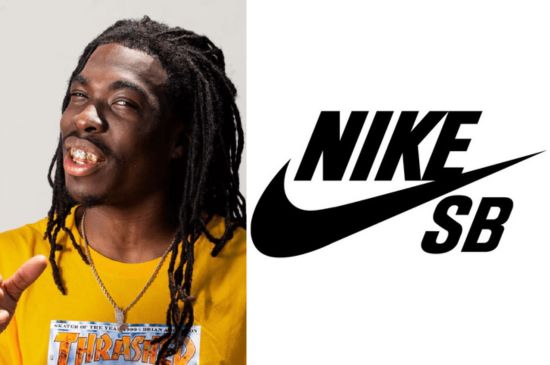
The break from Skateline also gave him time to think about how the culture around skate commentary has changed. When the show first started, most of the humor came from friendly roasting. Over time the internet shifted toward more intense call outs and public arguments. Rogers said that environment made him less interested in staying involved with drama.
About halfway through the interview, he finally addressed one of the rumors that had followed him for a while about his commentary role at the X Games.
Many people believed Rogers had been fired from the event. He explained that the reality was a bit different. One night after the contest he had a heated argument with a security guard. There was no physical altercation, but the exchange became tense and people around them saw him acting in a way they were not used to.
Looking back on the moment, Rogers admitted his ego probably got the best of him. The guard did not recognize that Rogers had access to the VIP area and was simply doing his job. At the same time Rogers said he had been driving a production golf cart around the venue earlier in the day, which may have added to the confusion about who he was and why he was moving through restricted areas.
Situations like that, along with other business changes happening around the event, eventually led to both sides going in different directions. Rogers even joked that the rumor about him getting fired might actually make the story more entertaining for people online.
Aside from that situation, another major reason for the long pause was simply time and new responsibilities. After more than a decade of weekly episodes, Rogers and his longtime collaborator Joel Jutagir both started focusing on different projects.
Rogers began putting more attention into building his own businesses, including his clothing brand Ichpig, his griptape company Black Gold, and his shop Everyday Skate Shop. After years of joking about what companies and people in skateboarding should do, he felt it was only fair to try building something himself.
He also reflected on the influence Skateline may have had on younger skaters. Looking back, Rogers said the jokes about contests, companies, or style might have sometimes made people feel like they were not doing skateboarding the right way.
Because of that, he now places more importance on individuality. He pointed to younger riders like Ginwoo Onodera and Jagger Eaton as examples of people expressing themselves without worrying about fitting into a certain look.
Even though Skateline has been quiet for a while, Rogers says the show is not officially finished. For now it is simply on pause while he focuses on other ideas and projects.
After twelve years of making episodes almost every week, Rogers said the biggest lesson he took from Skateline was simple. Stay consistent, keep working, and give it your full effort while you still have the chance.