
We have already been seeing it happen. Skateshops closing, brands raising prices on decks, trucks, wheels, and basically everything you need to skate.
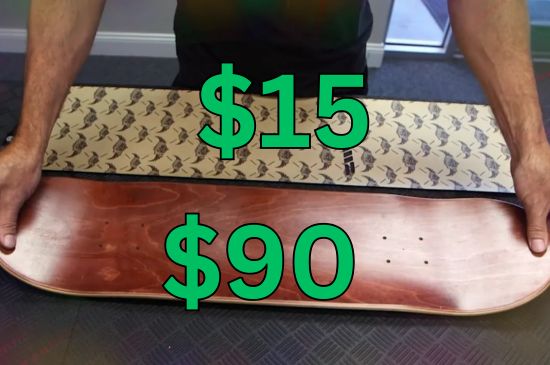
What used to be somewhat affordable is slowly turning into something skaters have to think twice about before buying.
And it is not just a United States problem.
The price increases are being felt worldwide, especially with the ongoing trade tensions affecting manufacturing and distribution.
When costs go up at the source, it hits everyone down the line.
At the same time, there are a lot of MAGA skaters who support making everything locally, arguing that it creates jobs for American workers.
READ MORE: MAGA Skate Legend Henry Sanchez Stands by Trump Despite Threat of 15% Tariff Hitting Skate Industry

That conversation might make sense on one side, but it is also creating ripple effects that are hurting skaters in other parts of the world.
One of the voices speaking on this right now is the Uganda Skateboard Society founder Nsubuga Gerald.
He recently shared how tough things have become on the ground in Africa.
Here is what he said:
"Skateboarding in Africa is becoming harder to sustain. Rising costs are hitting from every angle. High export tariffs from the U.S. and Europe, heavy import taxes, and expensive customs clearance when gear arrives. What used to be manageable through donations or self funding is now becoming unaffordable. The reality is many skate communities may soon struggle to continue, and some could be forced to stop altogether because they cannot afford the basics. Even the few skate shops existing within the continent reflect this pressure. Many already rely on a small group of wealthier kids who skate for leisure, not from culture. As prices keep rising, even those shops may not survive."
That pretty much says everything.
What stands out is how fragile the scene is in places like Africa. In bigger markets, higher prices might mean cutting back or buying less often.
In smaller communities, it can mean the entire scene slowing down or even disappearing.
Gear is not just expensive. It is harder to get in the first place. By the time products make it through shipping, taxes, and customs, the final price can be way out of reach for most people.
RELATED: Adidas Says Skate Shoes Might Get Pricier in the U.S. as Tariffs Hit Hard

There is also a deeper issue here.
When only a small group of wealthier kids can afford to skate, it changes what the scene looks like. It becomes less about community and more about who can pay to be part of it.
So while people argue about where products should be made, skaters in places like Uganda are dealing with a much more immediate problem.
They are trying to keep their communities alive with fewer resources and rising costs on every side.
And if nothing changes, the Uganda skate crew might not be around much longer.
